 Edward Harrington
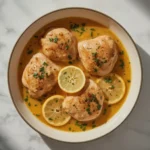
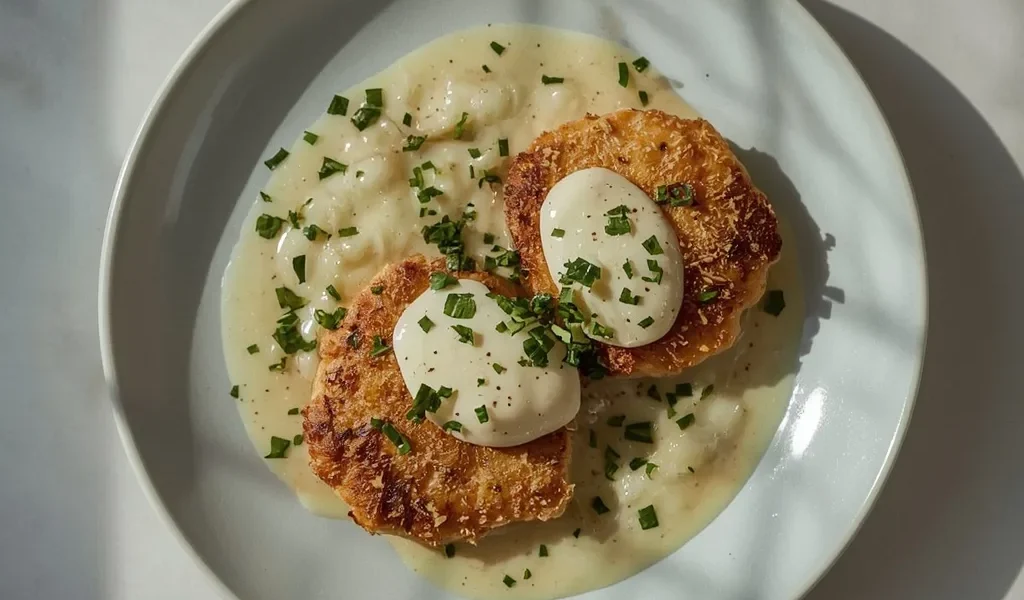
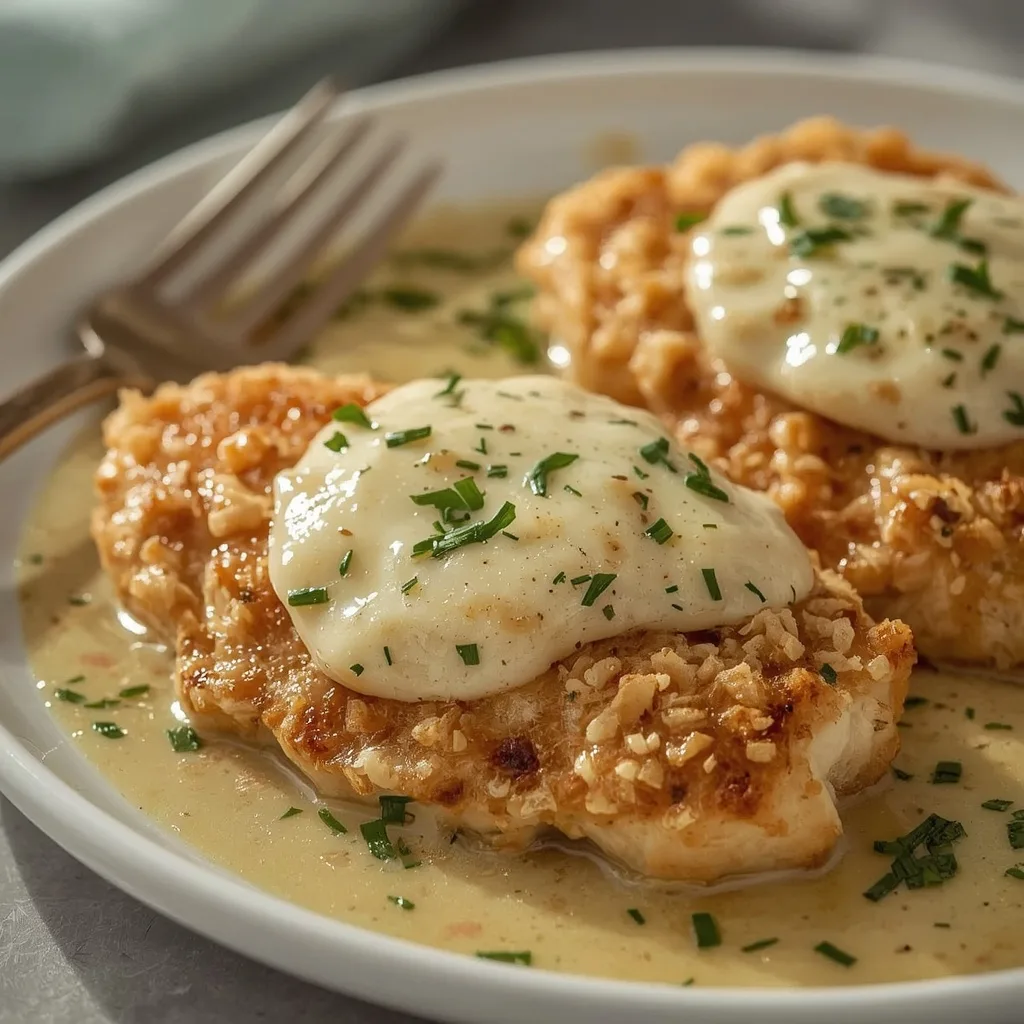
 Giada Chicken Francese is a classic Italian-American dish that turns simple chicken cutlets into something elegant. The chicken gets a light flour-and-egg coating, pan-fried until golden, then finished in a bright lemon-butter sauce with white wine.
This recipe takes about 35 minutes from start to finish and is beginner-friendly, though the sauce emulsification step deserves a little attention. It works perfectly for a weeknight dinner that feels special without requiring hours in the kitchen.
What Is Giada Chicken Francese?
Chicken Francese is a pan-fried cutlet dish where the chicken is dredged in flour, then dipped in an egg wash before cooking. The result is a thin, delicate crust that soaks up the tangy lemon and wine sauce beautifully. The texture is tender on the inside with a soft, never-crunchy exterior, and the flavor is bright, buttery, and gently acidic. It is a staple in Italian-American cooking and works for both casual dinners and company meals.
Why This Recipe Works
- Thin cutlets cook fast — Pounding the chicken to ¼-inch ensures even cooking in under 4 minutes per side, preventing dry edges and undercooked centers.
- The egg wash is thinned with milk — Adding milk creates a lighter coating, so the crust stays soft and absorbs the sauce rather than turning rubbery.
- Deglazing builds flavor fast — Those browned bits stuck to the skillet after frying dissolve into the wine and broth, creating a sauce that tastes slow-cooked in minutes.
- Butter finished off heat — Whisking the last tablespoon of cold butter into the warm sauce emulsifies it without separating, giving you a silky, glossy finish every time.
Ingredients You’ll Need
Here is everything you need, organized by how you will use them.
For the Chicken
- 4 boneless, skinless chicken breasts — About 1.5 lbs total, pounded to ¼-inch thickness. Uniform size matters more than shape here.
- 1/2 cup all-purpose flour — 60g, seasoned with salt and pepper for the first dredge.
- 2 large eggs — The base of the egg wash that helps the coating stick.
- 2 tablespoons whole milk — Thins the eggs for a lighter, more delicate crust.
- Kosher salt and black pepper — ½ teaspoon salt and ¼ teaspoon pepper for the flour, plus extra for seasoning the raw chicken.
For Cooking
- 3 tablespoons olive oil — Divided. Use a neutral olive oil, not extra-virgin, to avoid burning.
- 3 tablespoons unsalted butter — Divided. Two go in the pan for frying, one goes into the sauce at the end.
For the Sauce
- 1/2 cup dry white wine — Pinot Grigio or Sauvignon Blanc work well. The alcohol cooks off, leaving concentrated flavor.
- 1/2 cup low-sodium chicken broth — Keeps the sauce from getting too salty. You adjust seasoning at the end.
- 1/4 cup fresh lemon juice — From about 2 lemons. Bottled juice will taste flat here.
- 1 lemon — Thinly sliced into rounds, caramelized briefly in the skillet for garnish and extra lemon presence.
For Finishing
- 2 tablespoons fresh parsley — Finely chopped, stirred in at the end for color and freshness.
Kitchen Tools You’ll Need
- Meat mallet or rolling pin — For pounding the chicken to even thickness. A heavy skillet works too.
- Large nonstick or stainless steel skillet — 12-inch is ideal. Nonstick makes cleanup easier; stainless steel gives better browning.
- Two shallow dishes — One for the seasoned flour, one for the egg wash. Pie plates or wide bowls work.
- Wooden spoon or silicone spatula — For scraping up the browned bits during deglazing without scratching nonstick pans.
- Instant-read thermometer — Optional but helpful to confirm the chicken hits 165°F internally.
How to Make Giada Chicken Francese
The method moves fast once the pan is hot, so have everything prepped before you start cooking. Here is the full step-by-step:
- Pound the chicken — Place each breast between plastic wrap or parchment. Pound to ¼-inch thickness with a meat mallet or rolling pin. Season both sides lightly with salt and pepper.
- Set up dredging station — In one shallow dish, combine flour, ½ teaspoon salt, and ¼ teaspoon pepper. In another, whisk eggs with milk until smooth.
- Heat the pan — Place your skillet over medium-high heat. Add 2 tablespoons olive oil and 2 tablespoons butter. Swirl to coat. When the butter stops foaming, the pan is ready.
- Dredge and cook — Working one cutlet at a time, coat in flour (shake off excess), dip in egg wash (let excess drip), then place in the hot skillet. Cook 2 cutlets at a time. Fry 3-4 minutes per side until golden and cooked through. Transfer to a plate and tent with foil.
- Caramelize the lemon slices — Reduce heat to medium. Add remaining 1 tablespoon olive oil. Cook lemon slices 1 minute per side until lightly browned. Remove and set aside with the chicken.
- Deglaze with wine — Pour ½ cup white wine into the skillet. Scrape up browned bits with a wooden spoon. Let simmer 2 minutes until reduced by half.
- Build the sauce — Add chicken broth and lemon juice. Stir, bring to a gentle simmer, and cook 3-4 minutes until the sauce thickens slightly and coats the back of a spoon.
- Finish with butter — Remove skillet from heat. Whisk in remaining 1 tablespoon butter until melted and emulsified. Taste and add a pinch of salt if needed.
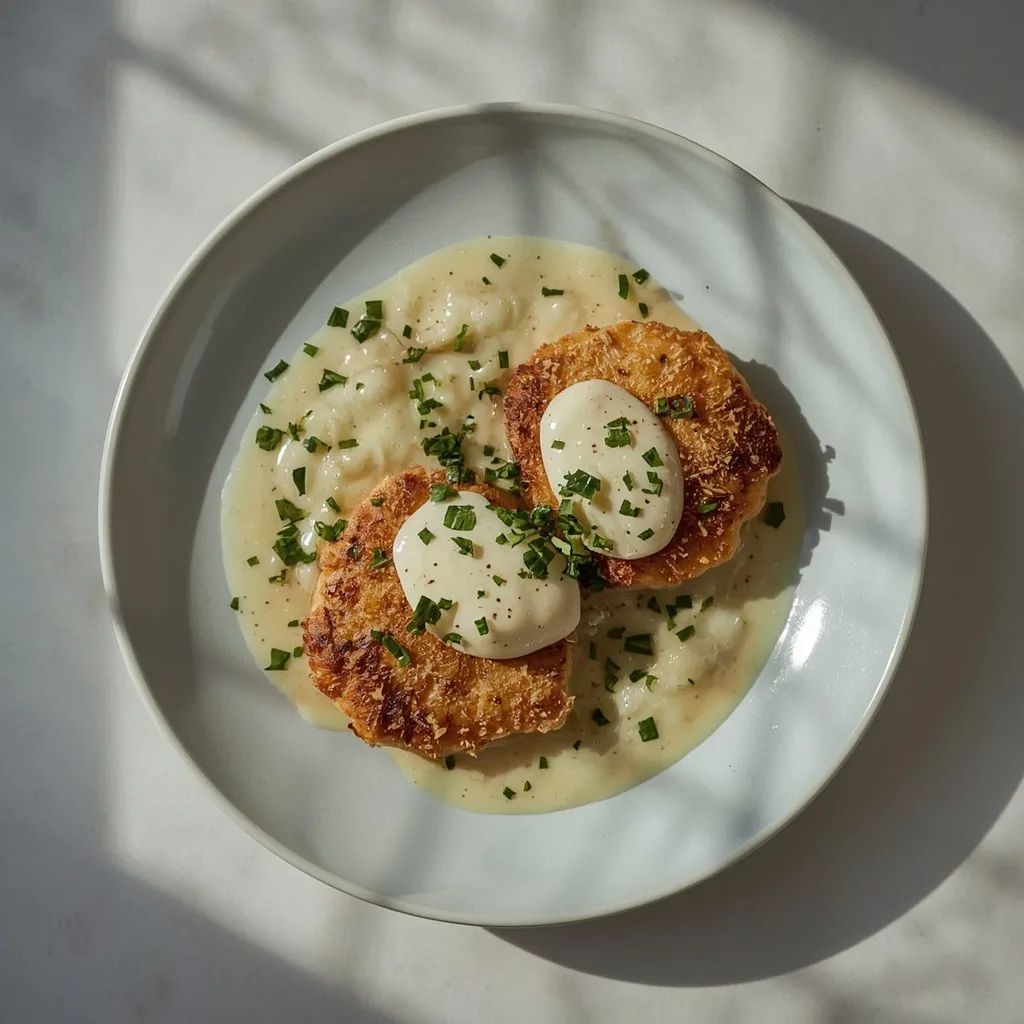
- Combine and serve — Return chicken and lemon slices to the skillet. Spoon sauce over the top. Garnish with parsley. Serve immediately with extra lemon wedges if desired.
Common Mistakes to Avoid (And How to Fix Them)
- Chicken cooks unevenly — Skipping the pounding step leaves thick parts undercooked and thin parts dry. Pound to an even ¼-inch every time.
- Coating falls off in the pan — Excess flour or wet egg wash causes this. Shake off all loose flour and let excess egg drip before frying.
- Sauce tastes flat or watery — Not reducing the wine or broth enough. Simmer each until the sauce visibly thickens and coats a spoon.
- Butter separates in the sauce — Adding butter over high heat breaks the emulsion. Always remove the pan from heat first, then whisk in cold butter.
- Chicken turns out tough — Overcooking is the culprit. Use a thermometer and pull the chicken at 165°F. Carryover cooking continues after you remove it from heat.
Helpful Tips for Perfect Giada Chicken Francese
- Work in batches — Crowding the skillet drops the pan temperature and steams the coating instead of browning it. Two cutlets per batch is the max.
- Do not clean the skillet after frying — Those browned bits are flavor gold. They dissolve into the wine and broth to create a rich sauce without extra work.
- Use cold butter for the finish — Cold butter emulsifies into warm liquid more smoothly than room-temperature butter, giving a glossier sauce.
- Taste before salting the sauce — The chicken broth and butter both carry salt. Wait until the sauce comes together, then adjust with a pinch if needed.
- Keep cooked chicken loosely tented — Tight foil traps steam and softens the coating. A loose tent keeps it warm without ruining the texture.
- Pat the chicken dry before seasoning — Wet chicken steams instead of sears. A quick pat with paper towels gives better browning.
Easy Ingredient Substitutions for Giada Chicken Francese
- Chicken breasts → chicken thighs — Boneless, skinless thighs work well. Pound them to ¼-inch and adjust cooking time slightly longer since dark meat is more forgiving.
- Dry white wine → chicken broth + lemon zest — For a non-alcoholic version, use ½ cup broth plus the zest of 1 lemon. The flavor is milder but still bright.
- Whole milk → 2% milk or half-and-half — Both work in the egg wash. Half-and-half makes the coating slightly richer; 2% keeps it light.
- Unsalted butter → salted butter — If using salted, reduce or skip the additional salt in the flour and sauce. Taste before finishing.
- All-purpose flour → gluten-free flour blend — A 1:1 gluten-free blend works here. The texture will be slightly grainier but the sauce still clings well.
Easy Ways to Customize Giada Chicken Francese
- Add capers — Stir in 1 tablespoon drained capers with the broth for a briny pop that complements the lemon.
- Use chicken tenders — Skip the pounding step entirely. Tenders cook even faster, about 2 minutes per side, making this a 20-minute meal.
- Make it piccata-style — Add 2 tablespoons capers and a splash of the caper brine along with the broth for a more assertive, tangy sauce.
- Add fresh herbs — Swap parsley for basil or thyme, or use a mix. Stir them in at the end for the freshest flavor.
- Double the sauce — Use 1 cup wine and 1 cup broth for extra sauce to spoon over pasta or rice. Simmer until reduced to your preferred consistency.
Best Ways to Store Giada Chicken Francese
- Refrigerator in an airtight container — Store the chicken and sauce together for up to 3 days. The coating will soften, but the flavor stays bright.
- Separate chicken from sauce — For crisper reheating, store chicken and sauce in separate containers. This prevents the coating from getting too soggy.
- Cool completely before sealing — Hot food traps steam inside the container, which makes the coating limp. Let it cool on the counter for 15 minutes first.
- Freezing is not recommended — The egg-based coating turns watery and gummy after thawing. If you must freeze, store sauce separately and freeze for up to 1 month.
Best Ways to Reheat Leftovers
- Stovetop method — Place chicken in a covered skillet over medium-low heat with a splash of broth or water. Warm 5-7 minutes until the chicken reaches 165°F. Whisk in a teaspoon of cold butter if the sauce separated.
- Oven method — Preheat to 350°F. Place chicken in a baking dish with a little broth, cover with foil, and heat 10-12 minutes. The foil prevents drying out.
- Microwave method — Use medium power in 30-second bursts. The sauce may splatter, so cover loosely. The coating will soften noticeably, so this is the last-resort option.
Nutritional Breakdown (per serving)
Based on 1 serving = 1 portion out of 4 total.
- Calories: 440
- Protein: 40g
- Fat: 22g
- Saturated Fat: around 8g
- Carbohydrates: 16g
- Fiber: roughly 1g
- Sugar: 2g
- Sodium: 480mg
- Cholesterol: about 210mg
FAQs
Can I freeze Giada Chicken Francese?
Freezing is not recommended. The delicate egg coating turns soggy and the texture degrades significantly during thawing. If you must freeze, store the sauce separately in a freezer bag for up to 1 month.
How long does Giada Chicken Francese last in the fridge?
It lasts up to 3 days in an airtight container. Store the chicken and sauce together or separately. The sauce may thicken as it sits; thin it with a splash of broth when reheating.
Can I use chicken thighs instead of breasts?
Yes. Boneless, skinless thighs work great. Pound them to ¼-inch thickness and cook a minute or two longer per side. Dark meat is more forgiving and stays juicy.
Why did my sauce separate?
Two common causes: the pan was too hot when you added the butter, or the butter was too cold. Always remove the skillet from heat first, then whisk in cold butter piece by piece.
What wine is best for the sauce?
Dry white wines like Pinot Grigio or Sauvignon Blanc work well. Avoid sweet wines or oaked Chardonnay, which can throw off the delicate lemon flavor. Cooking wine is too salty.
Can I make this dairy-free?
Yes, with adjustments. Use a plant-based butter alternative for cooking and finishing. The texture will be slightly less silky, but the flavor still works. Omit the milk in the egg wash or use unsweetened almond milk.
Wrapping Up
This Giada Chicken Francese hits that sweet spot between impressive and achievable on a Tuesday night. The lemon-butter sauce comes together in minutes, and the technique is straightforward once you have the rhythm. Give it a try this week — you might be surprised how often it ends up in your dinner rotation.
PrintGiada Chicken Francese
A classic Italian-American dish featuring tender, pan-fried chicken cutlets in a light, lemony butter and white wine sauce. The chicken is dredged in flour and egg, then cooked until golden, creating a delicate crust that soaks up the bright, tangy sauce. Perfect for a weeknight dinner that feels elegant.
- Prep Time: 15
- Cook Time: 20
- Total Time: 35
- Yield: 4 1x
- Category: Main Course
- Method: Stovetop
- Cuisine: Italian-American
Ingredients
- 4 boneless, skinless chicken breasts (about 1.5 lbs / 680g), pounded to 1/4-inch thickness
- 1/2 cup all-purpose flour (60g)
- 2 large eggs
- 2 tablespoons whole milk
- 1/2 teaspoon kosher salt, plus more for seasoning
- 1/4 teaspoon freshly ground black pepper
- 3 tablespoons olive oil, divided
- 3 tablespoons unsalted butter, divided
- 1/2 cup dry white wine, such as Pinot Grigio or Sauvignon Blanc
- 1/2 cup low-sodium chicken broth
- 1/4 cup fresh lemon juice (from about 2 lemons)
- 1 lemon, thinly sliced into rounds
- 2 tablespoons fresh parsley, finely chopped
Instructions
- Place each chicken breast between two sheets of plastic wrap or parchment paper. Using a meat mallet or rolling pin, pound to an even 1/4-inch thickness. Season both sides lightly with kosher salt and black pepper. Uniform thickness ensures even cooking and prevents dry edges.
- Set up a dredging station: in a shallow dish, combine 1/2 cup all-purpose flour with 1/2 teaspoon kosher salt and 1/4 teaspoon black pepper. In a separate shallow dish, whisk 2 large eggs with 2 tablespoons whole milk until fully combined. The milk thins the egg wash for a lighter coating.
- Heat a large nonstick or stainless steel skillet over medium-high heat. Add 2 tablespoons olive oil and 2 tablespoons unsalted butter. Swirl to coat the pan. The butter will foam and then subside — this is the signal to start dredging.
- Working with one cutlet at a time, dredge in the seasoned flour, shaking off any excess. Then dip into the egg mixture, letting excess drip off. Immediately place in the hot skillet. Repeat with remaining cutlets, working in batches of two to avoid overcrowding.
- Cook the cutlets for 3 to 4 minutes per side, until golden brown and cooked through (internal temperature should reach 165°F / 74°C). Transfer to a plate and tent loosely with foil. Do not clean the skillet — the browned bits add flavor to the sauce.
- Reduce heat to medium. Add remaining 1 tablespoon olive oil to the skillet. Add the lemon slices and cook for 1 minute per side, until lightly caramelized. Remove and set aside with the chicken.
- Pour 1/2 cup dry white wine into the skillet, scraping up any browned bits with a wooden spoon. Let simmer for 2 minutes until reduced by half. The alcohol cooks off, leaving a concentrated wine flavor.
- Add 1/2 cup low-sodium chicken broth and 1/4 cup fresh lemon juice. Stir to combine. Bring to a gentle simmer and cook for 3 to 4 minutes, until the sauce slightly thickens and coats the back of a spoon.
- Remove the skillet from heat. Whisk in the remaining 1 tablespoon of unsalted butter until fully melted and emulsified. This enriches the sauce and gives it a silky sheen. Taste and adjust seasoning with a pinch of salt if needed.
- Return the chicken cutlets and lemon slices to the skillet, spooning the sauce over the top. Garnish with 2 tablespoons fresh chopped parsley. Serve immediately, with extra lemon wedges if desired.
Notes
Store leftovers in an airtight container in the refrigerator for up to 3 days. To reheat, place in a covered skillet over medium-low heat with a splash of chicken broth or water, warming gently until the chicken reaches 165°F / 74°C (about 5-7 minutes). The sauce may separate slightly upon reheating; whisk in a teaspoon of cold butter to re-emulsify. Freezing not recommended as the delicate egg coating can become soggy.
Nutrition
- Calories: 440
- Sugar: 2g
- Sodium: 480mg
- Unsaturated Fat: 9g
- Carbohydrates: 16g
- Fiber: 1g
- Protein: 40g
- Cholesterol: 235mg
Keywords: chicken francese, Giada De Laurentiis, Italian chicken, lemon butter sauce, chicken cutlet, easy chicken recipe, weeknight dinner, Italian-American, pan-fried chicken, white wine chicken