 Edward Harrington
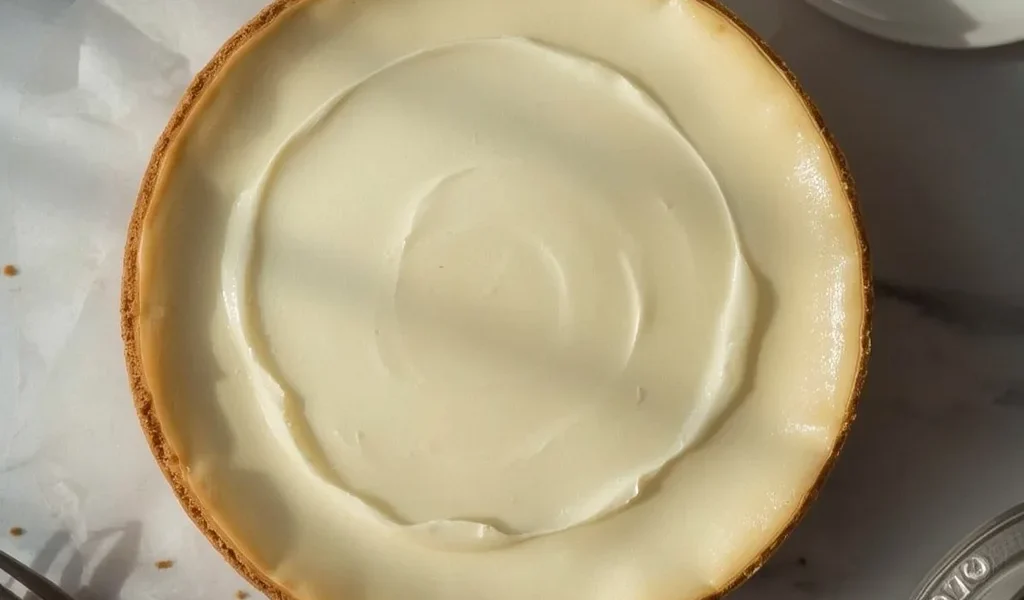
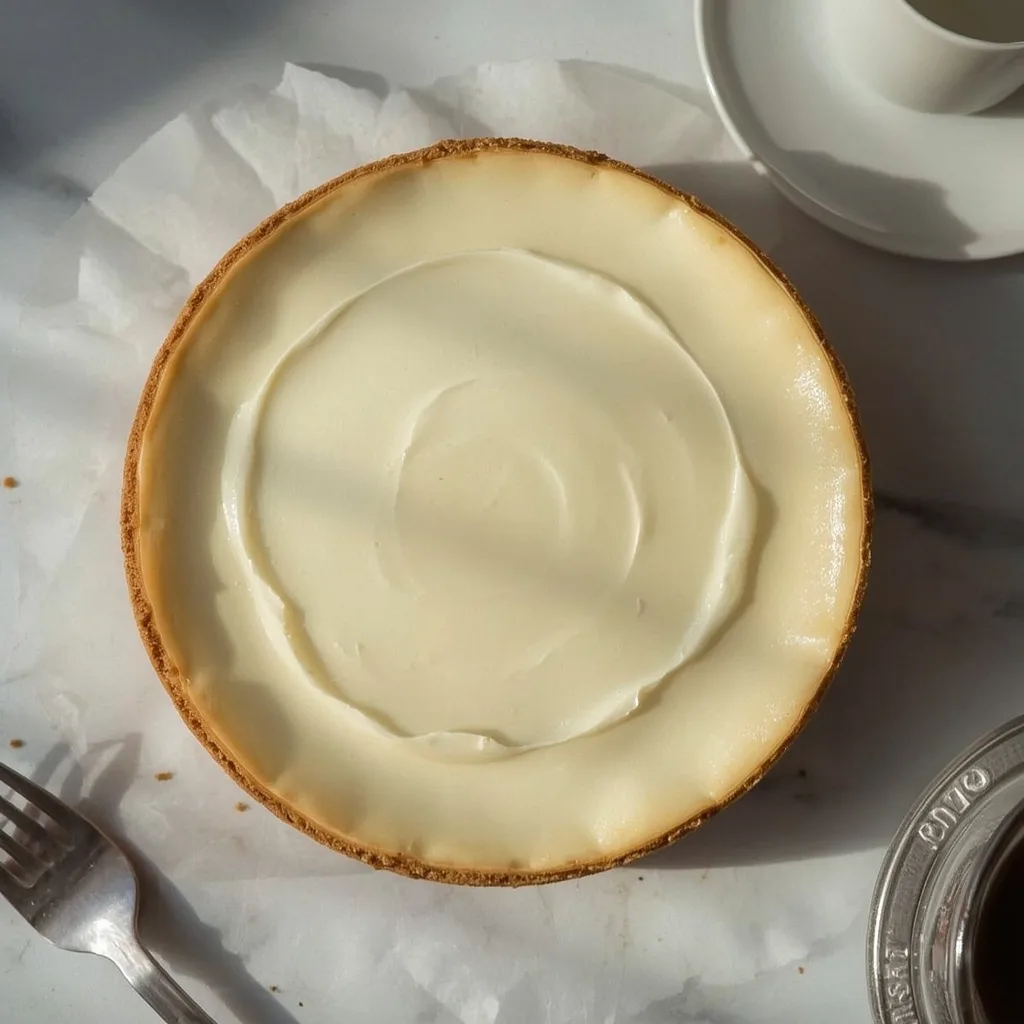
 The Giada Mascarpone Cheesecake delivers a remarkable combination of Italian creaminess and classic American cheesecake structure. This Italian-American dessert pairs luxuriously smooth mascarpone with tangy cream cheese for an ultrarich, velvety texture that practically melts on your tongue.
You can have this elegant dessert on the table in about 20 minutes of active prep, though the total time stretches to over 5 hours with cooling and chilling. It is beginner-friendly with one mildly tricky step: the water bath, which prevents cracking and ensures a silky finish. This recipe serves four, making it ideal for a small dinner party or a special weekend treat.
What Is Giada Mascarpone Cheesecake?
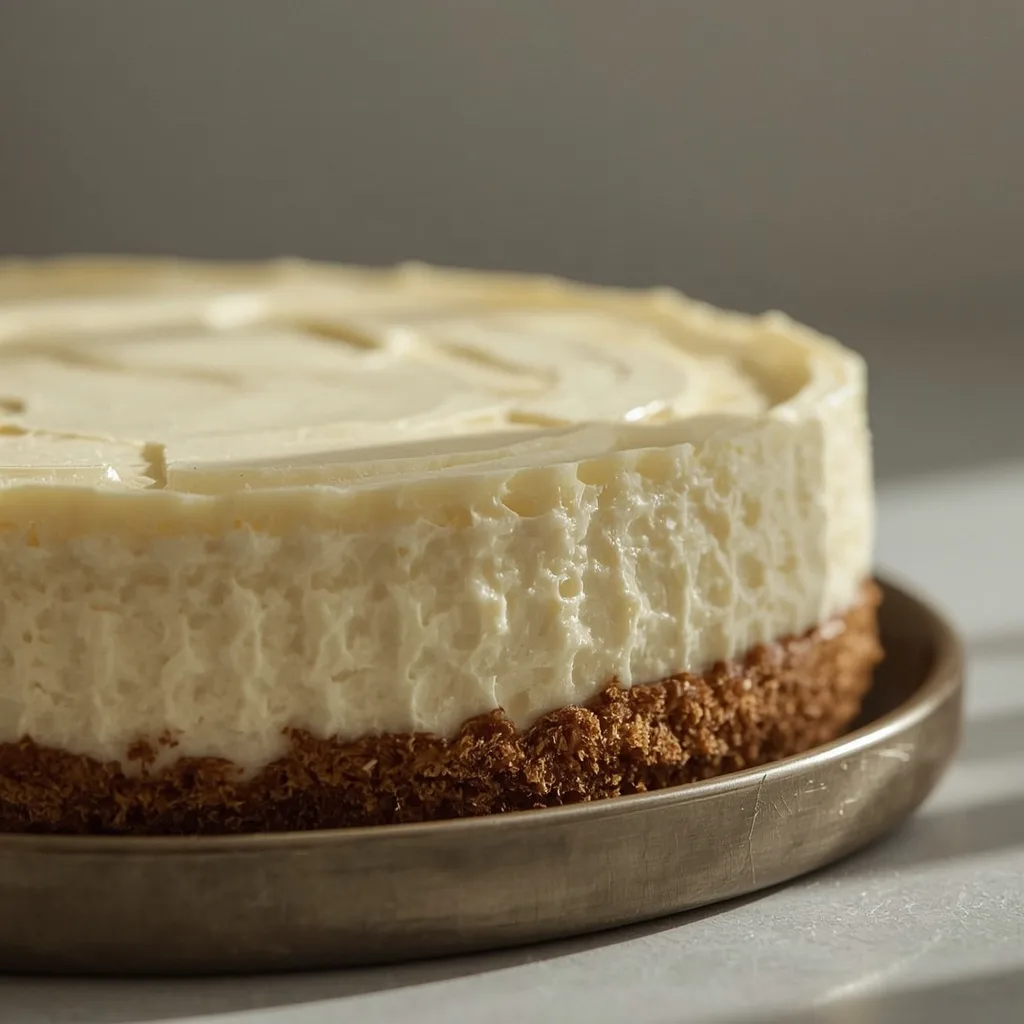
It is a small-format cheesecake that substitutes part of the usual cream cheese with mascarpone, the Italian double- or triple-cream cheese. The filling bakes in a water bath at a gentle 325°F, producing a cloud-like interior with a subtle vanilla aroma. The buttery graham cracker crust offers a crisp, sweet counterpoint to the rich, cool filling. Serve it chilled for a decadent yet understated dessert.
Why This Recipe Works
- Dairy combination — Mascarpone adds extra fat and a silky texture, while cream cheese provides the tangy structure a classic cheesecake needs.
- Gentle water bath — Surrounding the pan with hot water keeps the oven environment humid and even, so the filling cooks without curdling or cracking.
- Low-and-slow baking — A 325°F oven and a 35- to 40-minute bake allow the center to stay soft and jiggly while the edges set, preventing a dry, mealy texture.
- Overnight chill — At least 4 hours in the refrigerator fully sets the custard, develops the vanilla flavor, and makes slicing clean and easy.
Ingredients You’ll Need
Check you have everything before you start. Most ingredients are pantry basics, but two need to be at room temperature.
For the Crust
- Graham cracker crumbs, ½ cup (about 4 full sheets) — These form the crisp base. Blitz whole sheets in a food processor or crush them in a sealed bag with a rolling pin.
- Unsalted butter, 2 tablespoons, melted — Binds the crumbs and adds richness. Salted butter works if you reduce the added salt in the filling slightly.
- Granulated sugar, 1 tablespoon — Adds a touch of sweetness and helps the crust brown evenly.
For the Filling
- Full-fat cream cheese, 8 ounces, at room temperature — Provides structure and tang. Do not use low-fat or spreadable versions; the texture will suffer.
- Mascarpone cheese, ½ cup, at room temperature — Gives the cheesecake its signature velvety feel. Let it sit out for 30 minutes with the cream cheese.
- Granulated sugar, ⅓ cup — Sweetens the filling without overwhelming the delicate dairy flavors.
- Large egg, 1, at room temperature — Sets the custard. A cold egg can seize the batter, so let it warm up on the counter.
- Pure vanilla extract, 1 teaspoon — A clean, aromatic vanilla note that lifts the richness. Avoid imitation vanilla, which can taste harsh.
- Kosher salt, ¼ teaspoon — Balances the sweetness and deepens the overall dairy flavor.
Kitchen Tools You’ll Need
- 6-inch springform pan — The removable sides make unmolding the delicate cheesecake effortless. A 6-inch size is crucial; a larger pan will produce a very thin cake.
- Heavy-duty aluminum foil — A double layer wrapped around the outside of the pan prevents water from seeping into the crust during the water bath.
- Hand mixer or stand mixer — A hand mixer gives you more control over mixing speed, which matters because overbeating adds too much air and causes cracks.
- Large roasting pan — Holds the springform pan and the hot water for the water bath. Any oven-safe dish that fits the springform pan with room around it works.
- Instant-read thermometer — Not essential but very helpful. The center should read 150°F to 155°F (66°C to 68°C) when the cheesecake is perfectly baked.
How to Make Giada Mascarpone Cheesecake
The method follows a logical flow: prepare the crust, mix the filling in stages, bake in a water bath, then cool and chill. Here is each step in detail.
- Prepare the pan and oven — Preheat the oven to 350°F (177°C). Grease a 6-inch springform pan with nonstick spray, then wrap the outside with a double layer of heavy-duty foil, covering the bottom and up the sides.
- Make and bake the crust — Stir the graham cracker crumbs, melted butter, and 1 tablespoon sugar until the mixture looks like wet sand. Press it firmly into the pan using a measuring cup or your fingers. Bake on the middle rack for 8 minutes, until fragrant and just beginning to brown at the edges. Cool completely on a rack, then reduce the oven temperature to 325°F (163°C).
- Beat the cream cheese and mascarpone — In a large bowl, beat the cream cheese on medium speed until smooth, about 1 minute. Add the mascarpone and beat on low until combined, scraping the bowl as needed. Do not overmix at this stage.
- Add sugar, salt, egg, and vanilla — Beat in the ⅓ cup sugar and salt on low speed for about 30 seconds. Lightly beat the egg in a small bowl, then add it and the vanilla to the mixture. Beat on low just until the yellow streaks disappear — stop immediately. Overbeating creates air bubbles that lead to cracks.
- Fill the pan and set up the water bath — Pour the filling over the cooled crust and smooth the top. Tap the pan on the counter two or three times to release air bubbles. Place the pan in a large roasting pan and carefully pour hot tap water until it reaches halfway up the sides of the springform pan.
- Bake at 325°F — Bake for 35 to 40 minutes. The edges should be set and slightly puffed, but the center should still jiggle like firm Jell-O when shaken. An instant-read thermometer in the center should read 150°F to 155°F. Do not overbake or the texture will turn dry.
- Cool and chill — Remove the roasting pan from the oven, lift out the springform pan, and remove the foil. Cool completely at room temperature, about 1 hour. Cover with plastic wrap and refrigerate for at least 4 hours, preferably overnight. The chill fully sets the custard and deepens the flavor.
- Unmold and serve — Run a thin knife around the edge of the pan, release the springform latch, and slice with a clean, sharp knife. Wipe the blade between cuts for neat slices.
Common Mistakes to Avoid (And How to Fix Them)
- Overmixing the batter — Too much air incorporated during mixing causes the cheesecake to puff up and then crack as it cools. Mix on low speed and stop as soon as the ingredients come together.
- Skipping the water bath — Baking without a water bath leads to a dry, cracked surface and a less creamy texture. If you prefer a browned top anyway, the recipe notes that you can omit it and bake for about 30 minutes at 325°F — expect some surface cracks.
- Using cold cream cheese or mascarpone — Cold dairy creates a lumpy batter that never fully smooths out. Let both cheeses sit at room temperature for at least 30 minutes before mixing.
- Overbaking the cheesecake — A dry, mealy texture means it was baked too long. Pull it from the oven when the center still jiggles and the internal temperature reads 150°F to 155°F (66°C to 68°C).
- Cutting the cheesecake while still warm — Slicing before the cake is fully chilled results in messy, ragged pieces. Always refrigerate for at least 4 hours, ideally overnight, before unmolding and slicing.
- Not wrapping the pan tightly enough — If water seeps into the springform pan, the crust becomes soggy. Double-wrap the pan with heavy-duty foil, pressing the foil firmly against the bottom and up the sides.
Helpful Tips for Perfect Giada Mascarpone Cheesecake
- Room temperature matters — Set the cream cheese, mascarpone, and egg out on the counter 30 to 45 minutes before you start. This ensures a smooth, lump-free batter that blends in seconds.
- Tap out the bubbles — After pouring the filling into the pan, tap the pan firmly on the counter two or three times. This brings any hidden air pockets to the surface, preventing holes in the finished cake.
- Use a thermometer for doneness — Visual cues help, but an instant-read thermometer gives you certainty. Pull the cheesecake at 150°F to 155°F for a creamy, never-dry texture.
- Cool gradually — Let the cheesecake cool at room temperature for a full hour before refrigerating. A sudden temperature shock can cause the surface to crack.
- Chill overnight if possible — Four hours is the minimum, but an overnight rest yields a denser, more cohesive slice with a deeper vanilla flavor.
- Wipe your knife between cuts — A clean, dry blade gives you sharp, bakery-style slices. A damp paper towel works well for quick wipes.
- Serve straight from the fridge — This cheesecake is designed to be eaten cold. Letting it sit at room temperature for more than 15 minutes softens the texture too much.
Easy Ingredient Substitutions for Giada Mascarpone Cheesecake
- Cream cheese → Neufchâtel — Neufchâtel has about one-third less fat than full-fat cream cheese but behaves similarly. The texture will be slightly less rich, and the protein content will stay close.
- Mascarpone → full-fat cream cheese plus sour cream — Mix ¼ cup cream cheese with ¼ cup sour cream to approximate mascarpone’s fat content and tang. The texture will be slightly less silky but still good.
- Graham cracker crumbs → digestive biscuits or shortbread cookies — Both produce a similar buttery crust. Digestive biscuits are slightly less sweet; shortbread adds a delicate vanilla note. No adjustment needed.
- Unsalted butter → salted butter — Use salted butter and omit the added salt in the crust. The filling already contains ¼ teaspoon salt, so the overall sodium level will rise slightly.
- Pure vanilla extract → vanilla bean paste — Substitute in equal measure. Vanilla bean paste adds tiny vanilla specks for a homemade look and a more intense flavor.
- Granulated sugar → superfine sugar — Superfine sugar dissolves faster in the cold dairy, which reduces the risk of a gritty texture. Use the same volume measurement.
Easy Ways to Customize Giada Mascarpone Cheesecake
- Lemon zest — Add 1 teaspoon of finely grated lemon zest to the filling along with the vanilla. The citrus brightens the richness and pairs beautifully with berries.
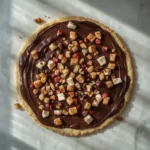
- Chocolate drizzle — Melt 2 ounces of dark or semi-sweet chocolate with 1 tablespoon of butter and drizzle it over the chilled cheesecake. Let it set for 5 minutes before slicing.
- Berry topping — Warm ½ cup of mixed berries with 1 tablespoon of sugar and a squeeze of lemon until they release their juices. Cool slightly, then spoon over each slice.
- Espresso swirl — Dissolve ½ teaspoon of instant espresso powder in 1 teaspoon of hot water. Swirl it into the filling before baking for a subtle mocha note.
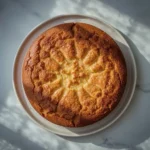
- Brown-top variation — Omit the water bath and bake at 325°F for about 30 minutes. The surface will crack slightly and turn golden brown, but the flavor remains excellent and the texture still creamy.
- Individual mini cheesecakes — Divide the crust and filling among four 4-ounce ramekins or a 12-cup mini muffin pan. Bake for 18 to 22 minutes, until the centers are just set. Reduce the chill time to 2 hours.
Best Ways to Store Giada Mascarpone Cheesecake
- Refrigerator (short-term) — Cover the cooled cheesecake tightly with plastic wrap or place it in an airtight container. Store for up to 5 days. Do not leave it at room temperature for more than 2 hours total.
- Freezer (long-term) — Wrap the fully chilled cheesecake or individual slices first in plastic wrap, then in a layer of aluminum foil. Freeze for up to 2 months. Thaw overnight in the refrigerator before serving.
- Springform pan storage — If you plan to serve the cheesecake over several days, keep it in the springform pan with the latch closed and cover the pan with plastic wrap. This protects the edges from drying out.
- Sliced storage — Place leftover slices in a single layer in an airtight container, separating each slice with a small square of parchment paper. This prevents them from sticking together and keeps the crust crisp.
- After serving — Return any uneaten cheesecake to the refrigerator within 30 minutes of serving. Bacteria grow quickly at room temperature, especially in dairy-rich desserts.
Best Ways to Reheat Leftovers
- Not recommended — This cheesecake is designed to be served cold. Reheating melts the mascarpone and cream cheese, turning the silky texture into a loose, soupy mess. Serve leftovers straight from the fridge for the best experience.
- If you must warm it — Let a slice sit at room temperature for 10 to 15 minutes. This takes the chill off without compromising the texture. Never microwave it or place it in a warm oven.
Nutritional Breakdown (per serving)
Based on 1 serving = 1 portion out of 4 total.
- Calories — 507
- Protein — 7 grams
- Fat — about 42 grams
- Carbohydrates — around 15 grams
- Fiber — 0 grams
- Sugar — close to 20 grams
- Sodium — about 478 mg
FAQs
Can I freeze Giada Mascarpone Cheesecake?
Yes, you can freeze it for up to 2 months. Wrap the fully chilled cheesecake or individual slices in plastic wrap, then aluminum foil, and thaw overnight in the refrigerator before serving. Reheating is not recommended.
How long does Giada Mascarpone Cheesecake last in the fridge?
Store it tightly covered in the refrigerator for up to 5 days. Keep it in the springform pan or an airtight container to prevent the crust from softening and the surface from drying out.
Why did my cheesecake crack on top?
Cracks usually come from overbeating the batter, overbaking, or skipping the water bath. Mix on low speed only until combined, pull the cake when the center still jiggles, and always use a water bath for a smooth top. If it cracks anyway, the flavor is still fine — just cover it with a berry topping or a drizzle of chocolate.
Do I have to use a water bath?
For the creamiest, most crack-free texture, yes. The water bath provides gentle, even heat and a humid environment. If you prefer a browned top and do not mind occasional surface cracks, you can omit it and bake at 325°F for about 30 minutes.
Can I use a different pan size?
A 6-inch springform pan is ideal for the amounts listed. A 4-inch pan will overflow, and an 8-inch pan will produce a very thin cake that bakes much faster. If you scale the recipe, adjust the baking time accordingly and use the jiggle test for doneness.
What should I serve with this cheesecake?
It is excellent plain, but fresh berries, a berry compote, or a light dusting of powdered sugar are classic pairings. A dollop of lightly sweetened whipped cream also works well without overwhelming the delicate mascarpone flavor.
Wrapping Up
The Giada Mascarpone Cheesecake delivers an impressive, restaurant-quality dessert with a short ingredient list and a straightforward method. The water bath and gentle mixing are the only real watchpoints, and they are easy to manage once you know what to look for. This recipe is proof that a small, elegant cheesecake can feel just as special as a grand one — try it for your next gathering or a quiet weekend treat.
PrintGiada Mascarpone Cheesecake
This Italian-American cheesecake combines the richness of mascarpone with the tang of cream cheese for an ultra-creamy, velvety texture. The buttery graham cracker crust provides a crisp counterpoint, while the filling bakes to a silky, cloud-like consistency with a subtle vanilla aroma. Serve chilled for a decadent yet elegant dessert that serves four perfectly.
- Prep Time: 20
- Cook Time: 45
- Total Time: 335
- Yield: 4 1x
- Category: Dessert
- Method: Baking
- Cuisine: Italian-American
Ingredients
- For the crust:
- 1/2 cup graham cracker crumbs (from about 4 full sheets)
- 2 tablespoons unsalted butter, melted
- 1 tablespoon granulated sugar
- For the filling:
- 8 ounces full-fat cream cheese, at room temperature
- 1/2 cup mascarpone cheese, at room temperature
- 1/3 cup granulated sugar
- 1 large egg, at room temperature
- 1 teaspoon pure vanilla extract
- 1/4 teaspoon kosher salt
Instructions
- Preheat the oven to 350°F (177°C). Lightly grease a 6-inch springform pan with nonstick cooking spray. Wrap the outside of the pan with a double layer of heavy-duty aluminum foil, covering the bottom and up the sides, to prevent water seepage if using a water bath.
- In a small bowl, combine the graham cracker crumbs, melted butter, and 1 tablespoon sugar. Stir with a fork until the crumbs are evenly moistened and resemble wet sand. Transfer the mixture to the prepared springform pan and press firmly into an even layer using the bottom of a measuring cup or your fingers.
- Bake the crust on the middle rack for 8 minutes, until fragrant and just beginning to brown at the edges. Remove from the oven and let cool completely on a wire rack. Reduce the oven temperature to 325°F (163°C).
- In a large bowl, using a hand mixer on medium speed, beat the cream cheese until smooth and free of lumps, about 1 minute. Add the mascarpone and beat on low speed until combined, scraping down the sides of the bowl as needed. Do not overmix.
- Add the 1/3 cup sugar and salt, then beat on low speed just until incorporated, about 30 seconds. Scrape the bowl again. Crack the egg into a small bowl and lightly beat it, then add it to the cream cheese mixture along with the vanilla. Beat on low speed just until combined—stop as soon as the yellow streaks disappear. Overbeating will incorporate too much air and cause cracks.
- Pour the filling over the cooled crust. Use a spatula to smooth the top. Gently tap the pan on the counter two or three times to release any air bubbles. Place the springform pan inside a larger roasting pan. Carefully pour hot tap water into the roasting pan until it reaches halfway up the sides of the springform pan. The water bath ensures gentle, even heat for a silky texture.
- Bake at 325°F (163°C) for 35 to 40 minutes. The cheesecake is done when the edges are set and slightly puffed, but the center still jiggles like firm Jell-O when gently shaken. A thermometer inserted into the center should read 150°F to 155°F (66°C to 68°C). Do not overbake or the texture will be dry.
- Remove the roasting pan from the oven. Carefully lift the springform pan out of the water bath and place it on a wire rack. Remove the foil wrapping. Let the cheesecake cool completely at room temperature, about 1 hour.
- Once cool, cover the pan with plastic wrap and refrigerate for at least 4 hours, preferably overnight. Chilling fully sets the cheesecake and develops the flavor. The cheesecake is best served cold.
- When ready to serve, run a thin knife around the edge of the pan, then release the springform latch. Slice with a clean, sharp knife, wiping the blade between cuts for clean slices. Serve plain or with fresh berries.
Notes
Storage: Cover leftover cheesecake tightly with plastic wrap and refrigerate for up to 5 days. Freezing: Wrap the cooled cheesecake (whole or slices) in plastic wrap, then aluminum foil, and freeze for up to 2 months. Thaw overnight in the refrigerator before serving. Reheating is not recommended—serve cold. For a brown-top variation, omit the water bath and bake at 325°F for about 30 minutes; the surface will crack slightly but the flavor remains excellent.
Nutrition
- Calories: 507
- Sugar: 20g
- Sodium: 478mg
- Saturated Fat: 22g
- Carbohydrates: 15g
- Fiber: 0g
- Protein: 7g
- Cholesterol: 191mg