
 Edward Harrington
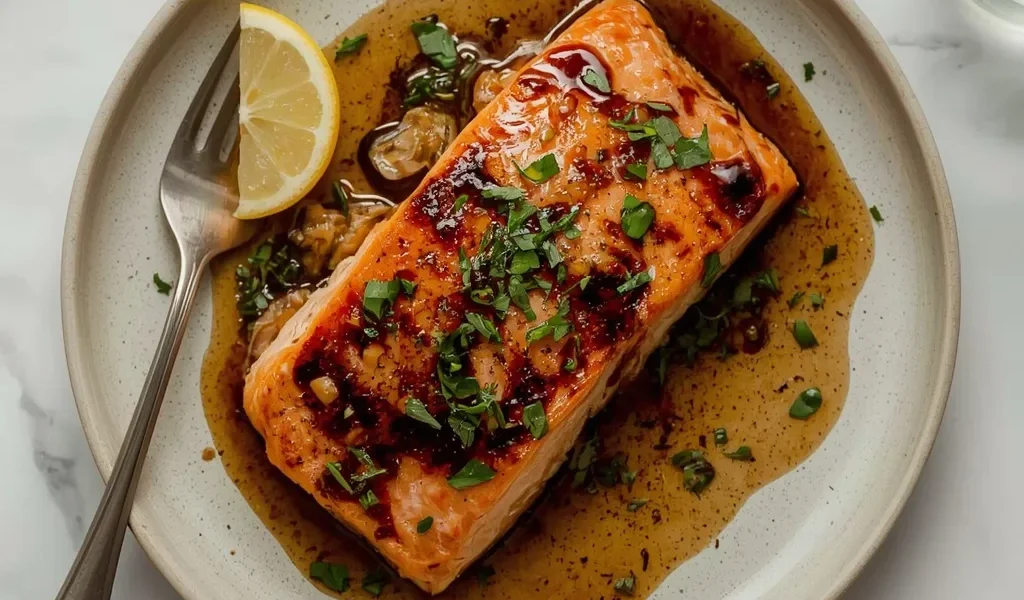
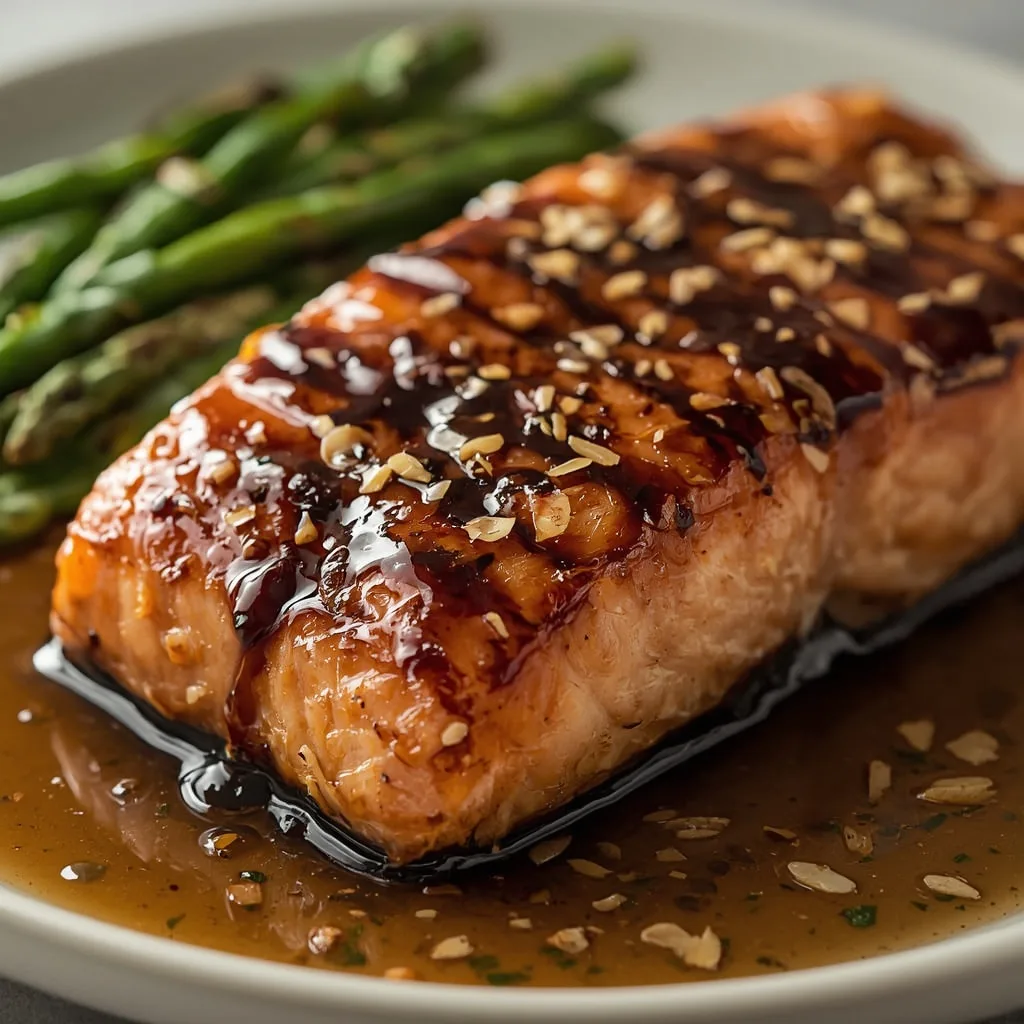
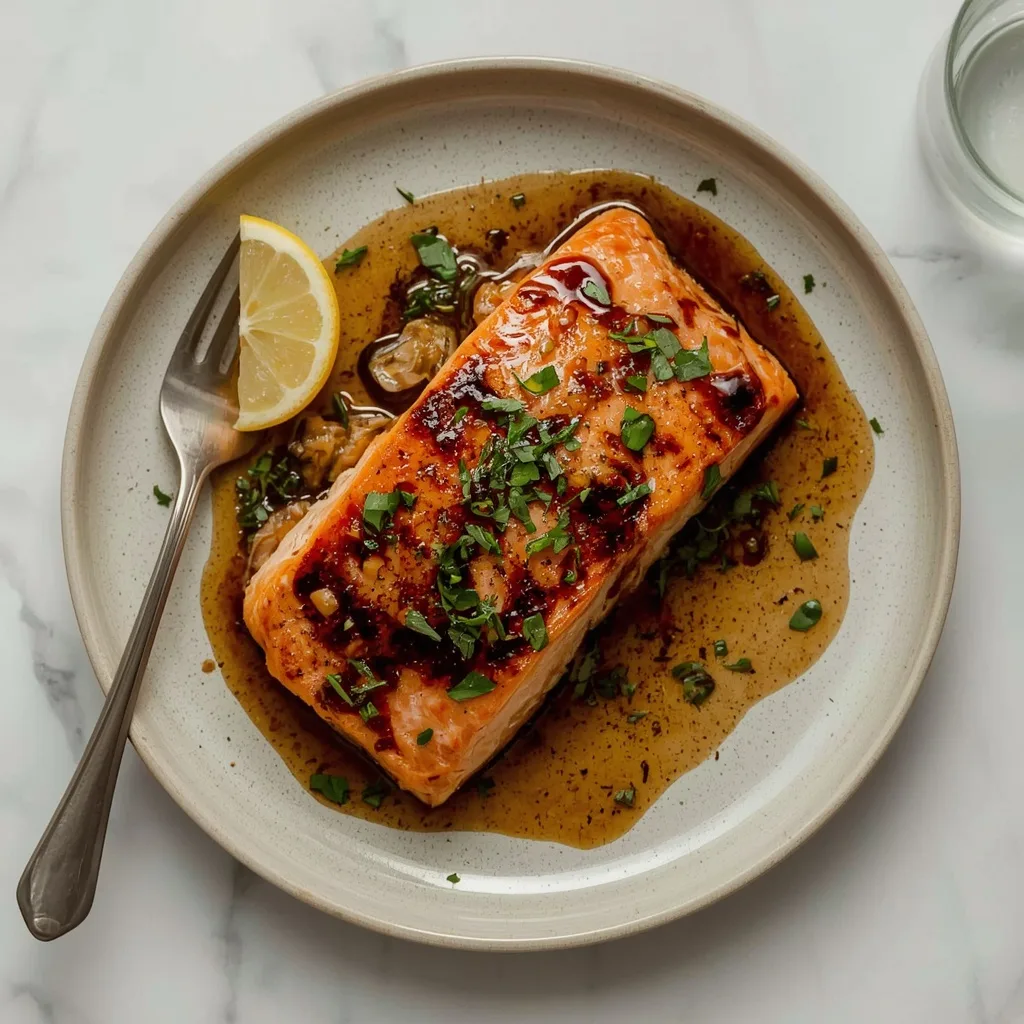
Giada Balsamic-glazed Salmon is the kind of weeknight dinner that feels like a special occasion. The fillets come out tender and flaky with a glossy, sweet-tart glaze that caramelizes perfectly under the broiler.
This recipe requires just 25 minutes from start to finish and is beginner-friendly, though you do need to keep a close eye on the salmon under the broiler. It is an excellent choice for a quick yet impressive meal any night of the week.
What Is Giada Balsamic-glazed Salmon?
This dish features center-cut salmon fillets coated in a rich balsamic reduction made with vinegar, honey, and garlic, then broiled until caramelized. The result is a beautiful contrast of textures: a sticky, glossy exterior and a moist, flaky interior. It is an Italian-American take on glazed salmon that brings restaurant-quality flavor to your home kitchen in under half an hour.
Why This Recipe Works
- Fast cooking time — The entire process takes only 25 minutes, making it perfect for busy weeknights when you want something impressive without a long preparation.
- Broiler heat creates caramelization — High, direct heat from the broiler transforms the balsamic glaze into a sticky, glossy coating that locks in moisture beautifully.
- Simple, balanced ingredients — Just eight main components work together: balsamic vinegar provides tang, honey adds sweetness, and garlic brings savory depth without overwhelming the fish.
- Butter finishes the glaze — Dotting butter on top before the second broil creates a rich, velvety finish that elevates the entire dish.
Ingredients You’ll Need
You probably have most of these ingredients on hand already. Here is what you need and why each one matters.
For the Salmon and Seasoning
- 4 (6-oz) center-cut salmon fillets, skin-on — Center-cut fillets cook evenly and stay moist. Look for fillets that are roughly the same thickness for uniform cooking.
- 1 tbsp olive oil — Helps the seasoning stick and encourages browning under the broiler.
- 3/4 tsp kosher salt — Seasons the fish evenly. Kosher salt dissolves better than table salt here.
- 1/4 tsp freshly ground black pepper — Adds a subtle warmth that complements the balsamic glaze.
For the Balsamic Glaze
- 1/3 cup balsamic vinegar — The base of the glaze. Use a decent-quality balsamic, not the ultra-cheap stuff, as it provides the tangy backbone.
- 2 tbsp honey — Balances the vinegar’s acidity with natural sweetness and helps the glaze caramelize.
- 2 cloves garlic, minced — One clove goes into the glaze mixture, the other gets rubbed directly onto the salmon for maximum flavor.
For the Finish and Garnish
- 2 tsp butter, cut into small pieces — Dotting butter on each fillet before the second broil creates a rich, glossy finish.
- 1 tbsp chopped fresh parsley — A simple garnish that adds a fresh, green contrast to the dark glaze.
Kitchen Tools You’ll Need
- Rimmed baking sheet — Catches any drips from the glaze and allows easy broiler placement. Line it with aluminum foil for quick cleanup.
- Pastry brush or small spoon — For brushing the balsamic glaze onto the salmon. A spoon works fine if you do not own a brush.
- Thin metal spatula — Makes lifting the fillets off the foil much easier without breaking them apart.
- Instant-read thermometer — The most reliable way to check for doneness without cutting into the fish. Aim for 145°F / 63°C at the thickest part.
- Small bowl and whisk — For mixing the balsamic glaze ingredients together smoothly.
How to Make Giada Balsamic-glazed Salmon
Follow these steps carefully, and you will have perfect glazed salmon every time. The broiler does most of the work.
- Preheat and prepare — Preheat the broiler to high and position an oven rack 6 inches from the heating element. Line a rimmed baking sheet with aluminum foil, then lightly brush the foil with olive oil to prevent sticking.
- Make the glaze — In a small bowl, whisk together 1/3 cup balsamic vinegar, 2 tbsp honey, and 1 clove of the minced garlic. Set the balsamic glaze aside.
- Prepare the salmon — Pat the salmon fillets dry with paper towels. This removes excess moisture and helps the seasoning stick. Place them skin-side down on the prepared baking sheet, spacing at least 1 inch apart.
- Season the fillets — Season the top of each fillet evenly with 3/4 tsp kosher salt and 1/4 tsp freshly ground black pepper. Drizzle the remaining 1 tbsp olive oil and sprinkle the second clove of minced garlic over the fillets, then rub gently to coat.
- First broil — Place the baking sheet under the preheated broiler. Broil for 4 minutes, until the surface of the salmon begins to turn opaque and the edges start to brown.
- Glaze and add butter — Remove the baking sheet from the oven. Using a pastry brush or the back of a spoon, carefully brush about half of the balsamic glaze over each fillet. Dot the top of each fillet with a small piece of butter (about 1/2 tsp per fillet). The butter will help create a rich, glossy finish as it melts.
- Second broil — Return the pan to the broiler. Broil for another 3 to 4 minutes, until the glaze is bubbling and caramelized and the salmon flakes easily with a fork. The internal temperature at the thickest part of the fillet should reach 145°F / 63°C for perfectly cooked fish.
- Finish and rest — Remove the salmon from the oven and brush with the remaining balsamic glaze for extra shine and flavor. Let rest on the pan for 2 minutes. This allows the juices to redistribute and the glaze to set.
- Serve — Gently transfer the fillets to plates using a thin metal spatula, lifting from the skin side. The skin may stick to the foil; simply slide the spatula between the skin and flesh to separate if needed. Garnish with 1 tbsp chopped fresh parsley and serve immediately.
Common Mistakes to Avoid (And How to Fix Them)
- Overcooking the salmon — The fish turns dry and tough. Use an instant-read thermometer; remove it from the broiler at exactly 145°F / 63°C, as residual heat will continue cooking it slightly.
- Skipping the foil oiling — The skin and glaze will stick to the pan, making cleanup miserable. Always brush the foil with olive oil before placing the salmon.
- Using too much glaze too early — The glaze burns rather than caramelizes. Brush only half on before the second broil, then add the remaining glaze after cooking for the best shine.
- Broiling from too far away — The glaze will not caramelize properly, and the fish will overcook before browning. Keep the rack exactly 6 inches from the heating element.
- Not patting the salmon dry — Excess moisture prevents the seasoning from sticking and dilutes the glaze. Always pat the fillets dry with paper towels before seasoning.
Helpful Tips for Perfect Giada Balsamic-glazed Salmon
- Use center-cut fillets — They cook more evenly than tail pieces because of their uniform thickness. Look for fillets that are about 1-inch thick.
- Let the salmon rest after broiling — A 2-minute rest on the pan allows juices to redistribute and the glaze to set. Do not skip this step for the best texture.
- Watch the glaze closely during the second broil — The sugar in honey can burn quickly. Check after 3 minutes, adding time in 30-second increments if needed.
- Brush the foil generously with oil — This step prevents the skin from fusing to the foil. Use a silicone brush for even coverage.
- Use a thin metal spatula for transferring — A wide, thin spatula slides under the fillet cleanly without breaking it. Plastic spatulas are too thick for this job.
- Serve immediately after resting — The glaze is at its glossiest right after you brush on the final layer. Left to sit too long, it can become sticky and less appealing.
Easy Ingredient Substitutions for Giada Balsamic-glazed Salmon
- Balsamic vinegar → Red wine vinegar + maple syrup — For a similar sweet-tart profile, mix 1/4 cup red wine vinegar with 1 tbsp maple syrup. The consistency will be thinner, so reduce slightly on the stovetop first.
- Honey → Maple syrup or agave nectar — Both work well as a substitute for sweetness, though maple syrup adds a slight woodsy note. Use the same quantity: 2 tbsp.
- Salmon → Thick white fish fillets (cod or halibut) — These firmer fish hold up well under the broiler. Adjust cooking time based on thickness, checking for flakiness.
- Butter → Ghee or olive oil — For a dairy-free version, use ghee (clarified butter) or a drizzle of extra-virgin olive oil. The finish will be less rich but still glossy.
- Fresh parsley → Fresh chives or dill — Both herbs complement salmon nicely. Chives offer a mild onion flavor, while dill brings a fresh, grassy note.
Easy Ways to Customize Giada Balsamic-glazed Salmon
- Spicy version — Add 1/4 tsp red pepper flakes to the balsamic glaze for a subtle heat that cuts through the sweetness.
- Citrus twist — Stir 1 tsp orange zest into the glaze before brushing. The citrus brightens the flavor and pairs beautifully with balsamic.
- Herb crust — Mix 1 tbsp finely chopped fresh rosemary or thyme into the minced garlic before rubbing onto the salmon. It adds an aromatic layer.
- Sesame finish — Sprinkle 1 tsp toasted sesame seeds over the fillets after the final glaze brush. The nutty crunch contrasts nicely with the sticky glaze.
- Garlic boost — Use 3 cloves of garlic instead of 2 for a more pronounced garlic flavor. Mince them finely so they caramelize rather than burn under the broiler.
Best Ways to Store Giada Balsamic-glazed Salmon
- Refrigerator storage — Place leftover salmon in an airtight container and refrigerate for up to 2 days. Keep the glaze intact by not stacking fillets directly on top of each other.
- Freezing (not recommended) — This recipe does not freeze well because the glaze loses its texture and the salmon becomes dry. Avoid freezing if possible.
- Separate the glaze — If storing, brush any remaining glaze off the fillets before refrigerating, then reapply fresh glaze when reheating. The glaze can be stored separately in a small jar for up to 3 days.
- Use a shallow container — A single layer in a shallow dish allows the salmon to cool quickly and evenly, reducing the risk of bacterial growth.
Best Ways to Reheat Leftovers
- Oven method — Place salmon on a foil-lined baking sheet in a 300°F (149°C) oven for 5–7 minutes, just until warm through. This gentle heat keeps the fish moist and the glaze intact.
- Avoid the microwave — Do not microwave, as it will toughen the fish and break the glaze. The texture becomes rubbery and the glaze turns sticky and uneven.
- Air fryer alternative — Reheat at 300°F (149°C) for 3–4 minutes. Check after 3 minutes to avoid overcooking. This method works well for a single serving.
Nutritional Breakdown (per serving)
Based on 1 serving = 1 portion out of 4 total.
- Calories: 329
- Protein: 34g
- Fat: 16g
- Saturated Fat: around 3g
- Carbohydrates: 16g
- Fiber: 0g
- Sugar: about 15g
- Sodium: roughly 500mg
- Cholesterol: about 80mg
FAQs
Can I freeze Giada Balsamic-glazed Salmon?
No, this recipe does not freeze well. The glaze loses its texture, and the salmon becomes dry when thawed. It is best enjoyed fresh or stored in the refrigerator for up to 2 days.
How do I know when the salmon is fully cooked?
Use an instant-read thermometer inserted at the thickest part. The internal temperature should reach 145°F / 63°C. The fish should also flake easily with a fork.
Can I make the glaze ahead of time?
Yes, whisk the balsamic vinegar, honey, and minced garlic together up to 3 days in advance. Store it covered in the refrigerator, then bring it to room temperature before using.
What side dishes go well with this salmon?
Light, fresh sides work best: a simple arugula salad with lemon vinaigrette, roasted asparagus, or herbed rice pilaf. The balsamic glaze is rich, so keep sides simple.
How do I prevent the salmon skin from sticking to the foil?
Brush the aluminum foil generously with olive oil before placing the salmon on it. If some skin still sticks, slide a thin metal spatula between the skin and flesh to separate the fillet cleanly.
Can I use skinless salmon fillets instead?
Yes, but reduce the first broil time by 1 minute since skinless fillets cook faster. The glaze may adhere slightly differently, but the result will still be delicious.
Wrapping Up
Giada Balsamic-glazed Salmon delivers restaurant-quality results with minimal effort and just 25 minutes of your time. The glossy, caramelized glaze and tender, flaky fish make it a weeknight winner. Try it once, and it might just become your new go-to salmon recipe.
PrintGiada Balsamic-glazed Salmon
This balsamic-glazed salmon features tender, flaky fillets with a glossy, sweet-tart glaze that caramelizes beautifully under the broiler. The tangy balsamic reduction, enriched with honey and garlic, clings to the fish, creating a restaurant-quality main course ready in under 30 minutes.
- Prep Time: 10
- Cook Time: 15
- Total Time: 25
- Yield: 4 1x
- Category: Main Course
- Method: Broiling
- Cuisine: Italian-American
Ingredients
- 1/3 cup balsamic vinegar
- 2 tbsp honey
- 2 cloves garlic, minced
- 1 tbsp olive oil
- 4 (6-oz) center-cut salmon fillets, skin-on
- 3/4 tsp kosher salt
- 1/4 tsp freshly ground black pepper
- 2 tsp butter, cut into small pieces
- 1 tbsp chopped fresh parsley, for garnish
Instructions
- Preheat the broiler to high and position an oven rack 6 inches from the heating element. Line a rimmed baking sheet with aluminum foil, then lightly brush the foil with olive oil to prevent sticking.
- In a small bowl, whisk together 1/3 cup balsamic vinegar, 2 tbsp honey, and 1 clove of the minced garlic. Set the balsamic glaze aside.
- Pat the salmon fillets dry with paper towels — this removes excess moisture and helps the seasoning stick. Place them skin-side down on the prepared baking sheet, spacing at least 1 inch apart.
- Season the top of each fillet evenly with 3/4 tsp kosher salt and 1/4 tsp freshly ground black pepper. Drizzle the remaining 1 tbsp olive oil and sprinkle the second clove of minced garlic over the fillets, then rub gently to coat.
- Place the baking sheet under the preheated broiler. Broil for 4 minutes, until the surface of the salmon begins to turn opaque and the edges start to brown.
- Remove the baking sheet from the oven. Using a pastry brush or the back of a spoon, carefully brush about half of the balsamic glaze over each fillet. Dot the top of each fillet with a small piece of butter (about 1/2 tsp per fillet) — the butter will help create a rich, glossy finish as it melts.
- Return the pan to the broiler. Broil for another 3 to 4 minutes, until the glaze is bubbling and caramelized and the salmon flakes easily with a fork. The internal temperature at the thickest part of the fillet should reach 145°F / 63°C for perfectly cooked fish.
- Remove the salmon from the oven and brush with the remaining balsamic glaze for extra shine and flavor. Let rest on the pan for 2 minutes — this allows the juices to redistribute and the glaze to set.
- Gently transfer the fillets to plates using a thin metal spatula, lifting from the skin side. The skin may stick to the foil; simply slide the spatula between the skin and flesh to separate if needed. Garnish with 1 tbsp chopped fresh parsley and serve immediately.
Notes
Store leftover salmon in an airtight container in the refrigerator for up to 2 days. To reheat, place on a foil-lined baking sheet in a 300°F (149°C) oven for 5–7 minutes, just until warm through. Do not microwave, as it will toughen the fish and break the glaze. This recipe does not freeze well because the glaze loses its texture and the salmon becomes dry.
Nutrition
- Calories: 329
- Sugar: 15g
- Sodium: 500mg
- Saturated Fat: 4g
- Carbohydrates: 16g
- Fiber: 0g
- Protein: 34g
- Cholesterol: 95mg
Keywords: balsamic glazed salmon, Giada salmon recipe, Italian salmon, broiled salmon, easy salmon dinner, weeknight salmon, honey balsamic glaze, garlic salmon, healthy main course, quick seafood recipe


