 Edward Harrington
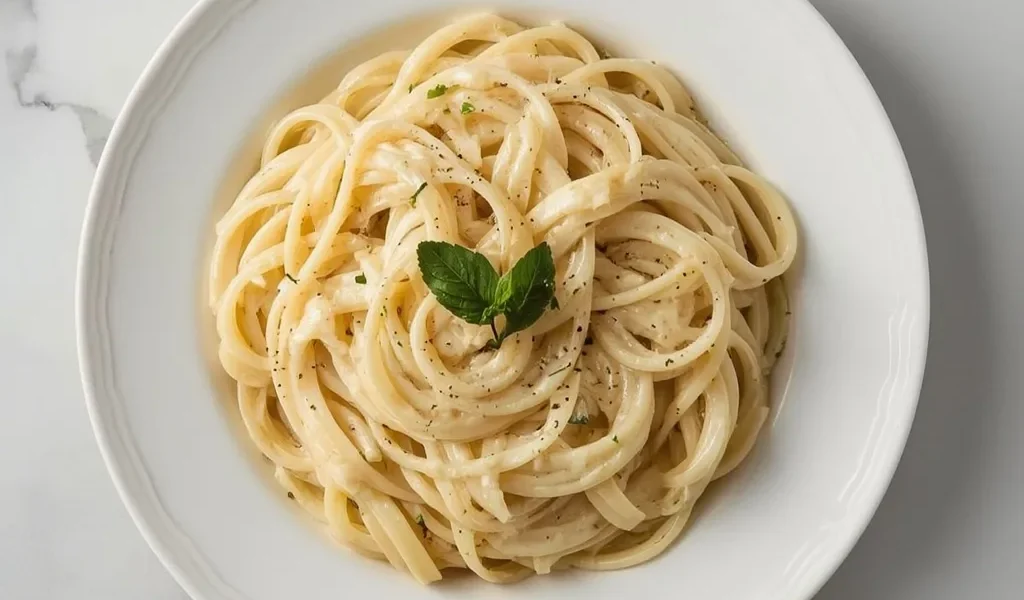
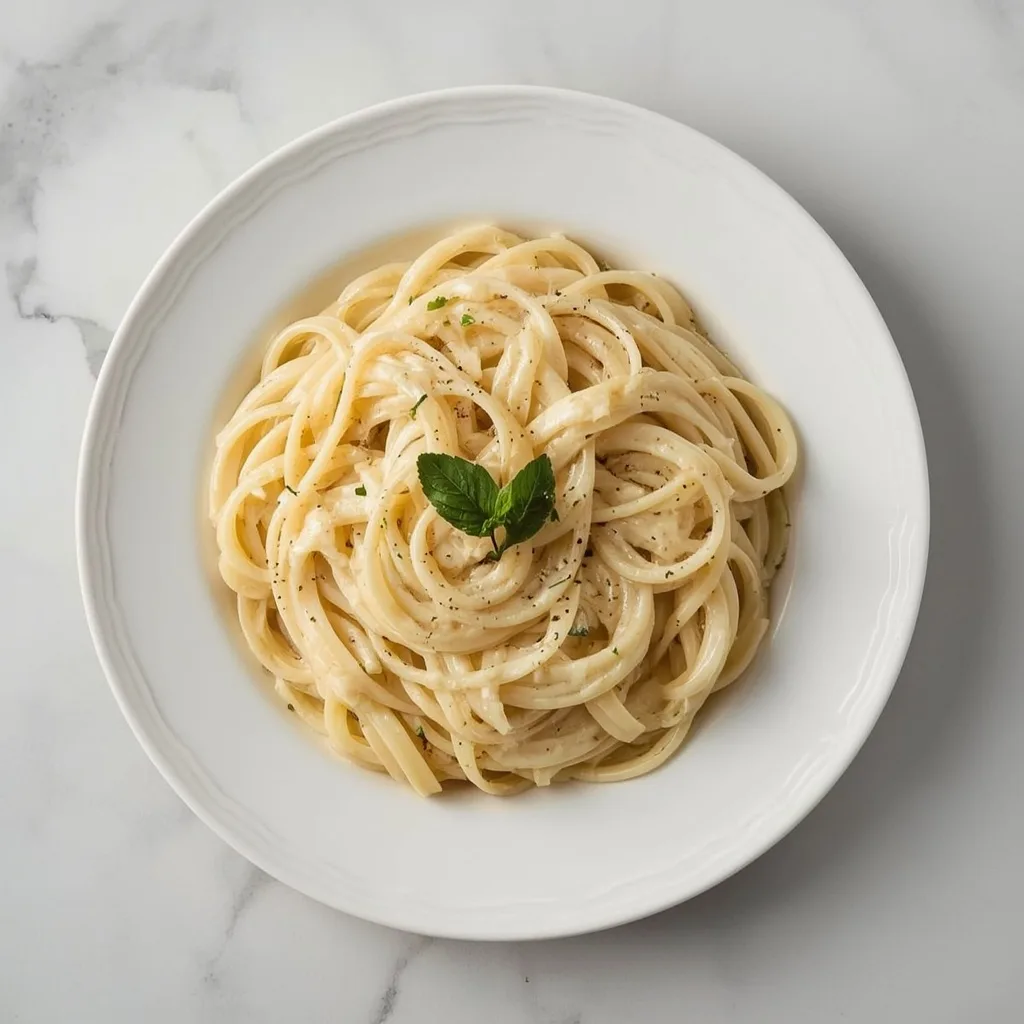
 Giada De Laurentiis Fettuccine Alfredo is the gold standard for creamy pasta at home. This recipe skips the shortcuts and builds a silky, rich sauce from real butter, heavy cream, and freshly grated Parmigiano-Reggiano — no cream cheese or jarred sauce in sight.
The whole process takes just 20 minutes from start to finish, making it a beginner-friendly weeknight win. The only real trick? Getting the sauce emulsion right — but I will walk you through exactly how to do that.
What Is Giada De Laurentiis Fettuccine Alfredo?
This is a classic Roman-style Alfredo made by emulsifying butter, cream, and Parmigiano-Reggiano into a velvety sauce that clings to every strand of fettuccine. Unlike many American versions that rely on heavy cream alone, this recipe uses starchy pasta water to create a stable, glossy emulsion. The result is a luxurious, restaurant-quality dish that feels indulgent but is surprisingly straightforward to pull off on a Tuesday night.
Why This Recipe Works
- Hot pasta water is the secret weapon — The starch in the reserved cooking water acts as a natural emulsifier, helping the butter and cream bind into a smooth, non-greasy sauce.
- Real Parmigiano-Reggiano makes the difference — Pre-shredded cheese contains anti-caking agents that prevent smooth melting. Freshly grating the cheese guarantees a silky texture and sharp, nutty flavor.
- Timing is everything — Adding the hot pasta directly to the cream mixture lets the residual heat gently melt the cheese and create the emulsion without needing a double boiler or extra heat.
- Low-and-slow sauce building — Simmering the cream for just 2-3 minutes thickens it slightly without risking separation, giving you a sauce that coats the pasta rather than pooling at the bottom of the bowl.
Ingredients You’ll Need
You probably have most of these already. The key is using the right versions of each one.
The Pasta Base
- 1 pound dried fettuccine pasta — Look for bronze-die-cut pasta; its rough surface helps the sauce cling better. Any brand works, but quality pasta makes a noticeable difference.
The Sauce Core
- 1/2 cup (1 stick) unsalted butter, cut into 1-tablespoon pieces — Unsalted butter lets you control the salt level. Cutting it into small pieces helps it melt evenly without browning.
- 1 1/2 cups heavy cream — Do not substitute half-and-half or milk here. The high fat content is essential for a stable, creamy emulsion.
- 3/4 cup freshly grated Parmigiano-Reggiano cheese (about 2 ounces), plus more for serving — Grate it yourself from a block. Pre-grated cheese will make the sauce grainy.
- 1/2 teaspoon fine sea salt — Add this after the cheese, since the Parmigiano is already salty.
- 1/4 teaspoon freshly ground black pepper, plus more for garnish — Freshly ground pepper adds a subtle warmth that complements the richness.
- 3/4 cup reserved pasta cooking water, as needed — This is your emulsion insurance. Save a full cup to be safe; you may not need all of it.
Kitchen Tools You’ll Need
- Large pot for pasta — You need enough room for the fettuccine to swim freely. A 6-8 quart pot works well.
- Large, wide skillet or sauté pan — A 12-inch pan gives the pasta space to toss with the sauce. A narrow pot will crowd the noodles.
- Tongs — Essential for tossing the fettuccine with the sauce without breaking the strands. Two forks work in a pinch.
- Heatproof measuring cup — For scooping out that starchy pasta water right before draining. A liquid measuring cup you can pour from makes the process smoother.
- Cheese grater (microplane or box grater) — A fine grater produces fluffy, quick-melting shreds. A box grater’s small holes work too, but the microplane is faster for this amount.
How to Make Giada De Laurentiis Fettuccine Alfredo
Here is the step-by-step method. Follow the order closely — the timing matters.
- Boil the pasta — Bring a large pot of generously salted water (about 1 tablespoon salt per 4 quarts water) to a rolling boil. Add the fettuccine and cook according to package directions until al dente, typically 8-10 minutes. The pasta should be tender but still firm to the bite, as it will continue to cook slightly in the sauce.
- Start the sauce — While the pasta cooks, melt the butter in a large, wide skillet over medium heat. Tilt the pan to coat the surface. Once the butter has melted and begins to foam gently (but does not brown), pour in the heavy cream. Whisk continuously as the cream heats to bring it to a gentle simmer; tiny bubbles will form around the edges of the pan. Do not let it boil vigorously — that can cause the cream to separate.
- Simmer and thicken — Reduce the heat to low and let the cream mixture simmer gently for 2-3 minutes, whisking occasionally, until it has thickened slightly and coats the back of a spoon. This brief reduction concentrates the cream and ensures a velvety texture.
- Reserve pasta water — Just before draining the pasta, reserve 1 cup of the starchy pasta cooking water with a heatproof measuring cup. Drain the fettuccine in a colander, but do not rinse — the starch on the pasta helps the sauce adhere.
- Combine pasta and cream — Add the drained, hot fettuccine directly to the skillet with the cream mixture. Toss the pasta using tongs for 30 seconds, allowing the noodles to absorb some of the liquid. The residual heat from the pasta will help the sauce blend smoothly.
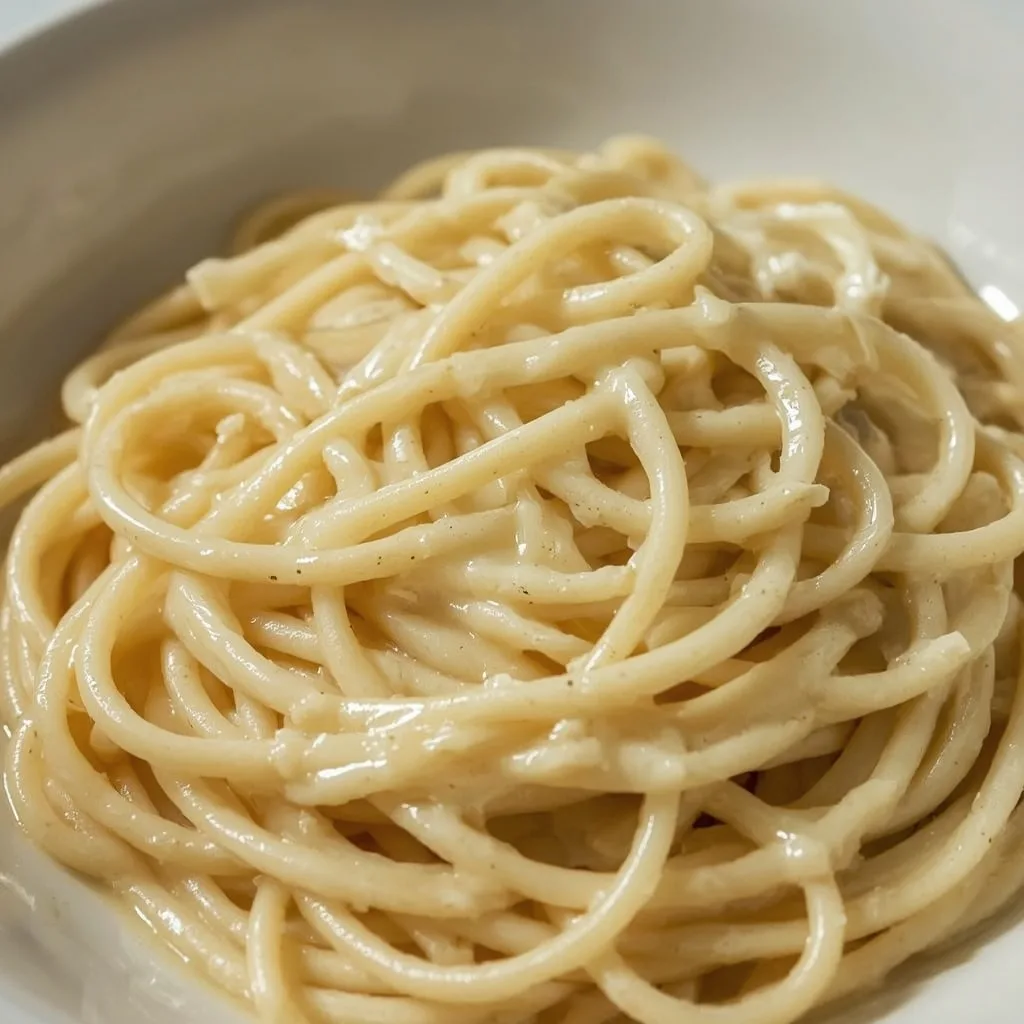
- Add cheese and emulsify — Sprinkle the grated Parmigiano-Reggiano and the salt and pepper over the pasta. Toss vigorously with the tongs for 1-2 minutes, adding reserved pasta water 1/4 cup at a time, as needed, to loosen the sauce and create a smooth, creamy emulsion. The final consistency should be silky and just thick enough to coat each strand without being gluey.
- Taste and adjust — Taste the fettuccine and adjust seasoning with more salt or pepper if needed. If the sauce becomes too thick upon resting, stir in an additional tablespoon or two of pasta water before serving.
- Serve immediately — Serve in warmed bowls. Garnish with an extra sprinkle of Parmigiano-Reggiano and a crack of black pepper. This dish does not reheat well, so enjoy it fresh for the best texture.
Common Mistakes to Avoid (And How to Fix Them)
- Overheating the cream — Boiling the cream causes it to separate into a greasy, broken sauce. Keep the heat at medium or low, and watch for tiny bubbles around the pan edges — that is your cue to reduce the heat.
- Adding cheese to a too-hot pan — If the pan is still on high heat when you add the Parmigiano-Reggiano, the cheese will clump and become stringy. Remove the pan from the heat or lower it to the lowest setting before stirring in the cheese.
- Not reserving enough pasta water — You need that starchy water to thin the sauce without breaking it. If you forget, boil a cup of water with a pinch of pasta; it is not the same but works in a pinch. Always reserve a full cup.
- Using pre-shredded cheese — Pre-grated cheese contains cellulose and starch that prevent smooth melting. Grate your Parmigiano-Reggiano from a block for a silky, lump-free sauce.
- Skipping the toss time — The 1-2 minutes of vigorous tossing after adding the cheese is what creates the emulsion, not just melts it. Do not rush this step.
Helpful Tips for Perfect Giada De Laurentiis Fettuccine Alfredo
- Warm your serving bowls — Cold bowls will cool the sauce instantly and make it thicken before you take a bite. Run bowls under hot water or pop them in a low oven for a few minutes.
- Grate cheese on the small holes — Larger shreds take longer to melt and can become stringy. A microplane or the small side of a box grater gives you fluffy, quick-melting results.
- Do not rinse the pasta — The starch coating on the pasta is what helps the sauce cling. Rinsing washes it away and makes the sauce slide off the noodles.
- Add pasta water gradually — Pour in 1/4 cup at a time and toss between additions. You might need less than the full 3/4 cup, or you might need more — it depends on the pasta and how hot the pan is.
- Use room-temperature cream — Cold cream can shock the butter and cause the sauce to seize. Let the cream sit on the counter for 10 minutes before starting the sauce.
- Watch the clock on the sauce — The cream reduction only needs 2-3 minutes. Over-reducing makes the sauce too thick and heavy, while under-reducing leaves it watery.
Easy Ingredient Substitutions for Giada De Laurentiis Fettuccine Alfredo
- Fettuccine → fresh fettuccine or pappardelle — Fresh pasta cooks in 2-3 minutes and absorbs less water, so you may need a bit less pasta water. Pappardelle offers a wider, more substantial noodle.
- Heavy cream → full-fat coconut cream (for dairy-free) — Use the thick part from a can of coconut cream. The sauce will have a slight coconut flavor, which pairs well with garlic or herbs.
- Parmigiano-Reggiano → Grana Padano or Pecorino Romano — Grana Padano is milder and slightly less salty; Pecorino is sharper and saltier. Adjust the added salt accordingly — start with half the called-for salt.
- Unsalted butter → salted butter — If using salted butter, reduce the added fine sea salt to 1/4 teaspoon or omit it entirely. Taste before adding more salt.
- Black pepper → white pepper or red pepper flakes — White pepper gives a milder, more subtle heat. Red pepper flakes add a spicy kick — start with 1/8 teaspoon.
Easy Ways to Customize Giada De Laurentiis Fettuccine Alfredo
- Add garlic — Mince 2-3 cloves and sauté them in the butter for 30 seconds before adding the cream. This infuses the sauce with a gentle garlic flavor without overpowering it.
- Add protein — Top the finished pasta with grilled chicken, seared shrimp, or crispy pancetta. Add the protein just before serving so it does not cool the sauce.
- Add vegetables — Stir in steamed broccoli, sautéed mushrooms, or fresh peas in the last minute of cooking. The vegetables add color and texture without making the sauce watery.
- Add fresh herbs — Fold in 2 tablespoons of chopped fresh parsley, basil, or chives right before serving. Herbs brighten the richness and add a fresh finish.
- Make it extra cheesy — Swap 1/4 cup of the Parmigiano-Reggiano for an equal amount of grated fontina or Gruyère. These melting cheeses add a nutty, gooey richness.
Best Ways to Store Giada De Laurentiis Fettuccine Alfredo
- Refrigerator (pasta and sauce together) — Store leftovers in an airtight container for up to 2 days. The sauce will thicken and may separate slightly, but it can be revived with reheating.
- Refrigerator (pasta and sauce separately) — For best results, store the pasta and sauce in separate airtight containers. This prevents the pasta from absorbing all the sauce and becoming mushy.
- Freezer (not recommended) — The cream-based sauce will break and become grainy when thawed, and the pasta will turn soft. Freezing is not a viable option for this dish.
- Make-ahead tip for busy nights — Cook the pasta and prepare the sauce up to the point of combining. Refrigerate the cooked pasta (tossed with a little olive oil) and the sauce separately. When ready to serve, reheat the sauce gently, then toss with hot pasta.
Best Ways to Reheat Leftovers
- Stovetop (best method) — Return the pasta to a skillet over medium-low heat with 1-2 tablespoons of reserved pasta water or milk. Toss gently for 1-2 minutes until hot and creamy. The liquid helps re-emulsify the sauce.
- Microwave (use only in a pinch) — Place the pasta in a microwave-safe bowl, add 1 tablespoon of milk or water, cover with a damp paper towel, and microwave in 30-second bursts. Stir between bursts. The sauce may break slightly.
- Oven (not recommended) — Oven heat dries out the sauce and makes the pasta rubbery. Avoid this method unless you are reheating a large batch and are willing to add extra cream or milk.
Nutritional Breakdown (per serving)
Based on 1 serving = 1 portion out of 4 total.
- Calories: 710
- Protein: 17g
- Fat: 48g
- Saturated Fat: about 28g
- Carbohydrates: 56g
- Fiber: 2g
- Sugar: around 2g
- Sodium: 510mg
- Cholesterol: roughly 155mg
FAQs
Can I freeze Giada De Laurentiis Fettuccine Alfredo?
No, this dish does not freeze well. The cream-based sauce will separate and become grainy when thawed, and the pasta will turn soft and mushy. Make only what you plan to eat within 2 days.
How long does Giada De Laurentiis Fettuccine Alfredo last in the fridge?
Store leftovers in an airtight container for up to 2 days. The sauce will thicken and may separate slightly, but reheating with a splash of milk or pasta water can bring it back to a creamy consistency.
Why did my sauce break or look greasy?
This usually happens when the cream was boiled too vigorously or the cheese was added to a pan that was too hot. To fix it, remove the pan from heat and whisk in 1-2 tablespoons of cold heavy cream or cold butter, one piece at a time, until the emulsion reforms.
Can I use pre-grated Parmesan instead of freshly grated Parmigiano-Reggiano?
You can, but the sauce will be grainy and less silky. Pre-grated cheese contains cellulose and anti-caking agents that prevent smooth melting. For the best texture, always grate the cheese yourself from a block of Parmigiano-Reggiano.
What if I don’t have a wide skillet? Can I use a pot?
Yes, but a narrow pot makes it harder to toss the pasta and sauce together evenly. Use the widest pot or pan you have. A 12-inch skillet is ideal, but a large Dutch oven or sauté pan will also work.
Can I make this recipe gluten-free?
Yes, substitute the fettuccine with a gluten-free pasta made from rice or corn. Cook it according to package directions — gluten-free pasta often requires less time and releases less starch, so you may need a bit more reserved pasta water to achieve the right sauce consistency.
Wrapping Up
Giada De Laurentiis Fettuccine Alfredo proves that with just a few quality ingredients and the right technique, you can create something truly special in your own kitchen. No fuss, no shortcuts — just a velvety, rich sauce that makes you wonder why you ever ordered it out. Give it a try tonight and see how fast it becomes your new weeknight favorite.
PrintGiada De Laurentiis Fettuccine Alfredo
This velvety, restaurant-quality Fettuccine Alfredo features a rich, silky sauce that clings perfectly to every strand of pasta. Made with real Parmigiano-Reggiano and butter, the sauce is an emulsion of cream and pasta water that delivers a luxurious mouthfeel.
- Prep Time: 5
- Cook Time: 15
- Total Time: 20
- Yield: 4 1x
- Category: Main Course
- Method: Stovetop
- Cuisine: Italian
Ingredients
- 1 pound dried fettuccine pasta
- 1/2 cup (1 stick) unsalted butter, cut into 1-tablespoon pieces
- 1 1/2 cups heavy cream
- 3/4 cup freshly grated Parmigiano-Reggiano cheese (about 2 ounces), plus more for serving
- 1/2 teaspoon fine sea salt
- 1/4 teaspoon freshly ground black pepper, plus more for garnish
- 3/4 cup reserved pasta cooking water, as needed
Instructions
- Bring a large pot of generously salted water (about 1 tablespoon salt per 4 quarts water) to a rolling boil over high heat. Add the fettuccine and cook according to package directions until al dente, typically 8-10 minutes. The pasta should be tender but still firm to the bite, as it will continue to cook slightly in the sauce.
- While the pasta cooks, prepare the sauce. In a large, wide skillet or sauté pan, melt the butter over medium heat, tilting the pan to coat the surface. Once the butter has melted and begins to foam gently (but does not brown), pour in the heavy cream. Whisk continuously as the cream heats to bring the mixture to a gentle simmer; tiny bubbles will form around the edges of the pan. Do not let it boil vigorously, as this can cause the cream to separate.
- Reduce the heat to low and let the cream mixture simmer gently for 2-3 minutes, whisking occasionally, until it has thickened slightly and coats the back of a spoon. This brief reduction concentrates the cream and ensures a velvety texture that will cling to the pasta.
- Just before draining the pasta, reserve 1 cup of the starchy pasta cooking water with a heatproof measuring cup. Drain the fettuccine in a colander, but do not rinse — the starch on the pasta helps the sauce adhere.
- Add the drained, hot fettuccine directly to the skillet with the cream mixture. Toss the pasta using tongs for 30 seconds, allowing the noodles to absorb some of the liquid. The residual heat from the pasta will help the sauce blend smoothly.
- Sprinkle the grated Parmigiano-Reggiano and the salt and pepper over the pasta. Toss vigorously with the tongs for 1-2 minutes, adding reserved pasta water 1/4 cup at a time, as needed, to loosen the sauce and create a smooth, creamy emulsion. The final consistency should be silky and just thick enough to coat each strand without being gluey.
- Taste the fettuccine and adjust seasoning with more salt or pepper if needed. The sauce should be rich and savory, with the sharpness of the Parmesan balancing the cream. If the sauce becomes too thick upon resting, stir in an additional tablespoon or two of pasta water before serving.
- Serve immediately in warmed bowls. Garnish with an extra sprinkle of Parmigiano-Reggiano and a crack of black pepper. This dish does not reheat well, so enjoy it fresh for the best texture.
Notes
This Fettuccine Alfredo is best served immediately, as the sauce will continue to thicken upon standing. For leftover sauce (if separated from pasta), whisk in a splash of warm pasta water or milk over low heat to re-emulsify. Refrigerate any leftover pasta and sauce separately in airtight containers for up to 2 days. To reheat, return the pasta to a skillet over medium-low heat with 1-2 tablespoons of reserved pasta water or milk; toss gently for 1-2 minutes until hot and creamy. Do not microwave, as it can break the sauce. The sauce cannot be frozen.
Nutrition
- Calories: 710
- Sugar: 2g
- Sodium: 510mg
- Saturated Fat: 29g
- Carbohydrates: 56g
- Fiber: 2g
- Protein: 17g
- Cholesterol: 155mg
Keywords: Fettuccine Alfredo, Giada De Laurentiis Alfredo sauce, creamy pasta, Italian pasta, butter and Parmesan, homemade alfredo, quick pasta dinner, comfort food, classic fettuccine, Parmigiano-Reggiano